Because English is the primary mode of communication in this course, a basic understanding of the language is required to handle and respond to the directions and lectures.
100 Hours Yoga Teacher Training Course Outline
YOGA POSTURES (ASANA)
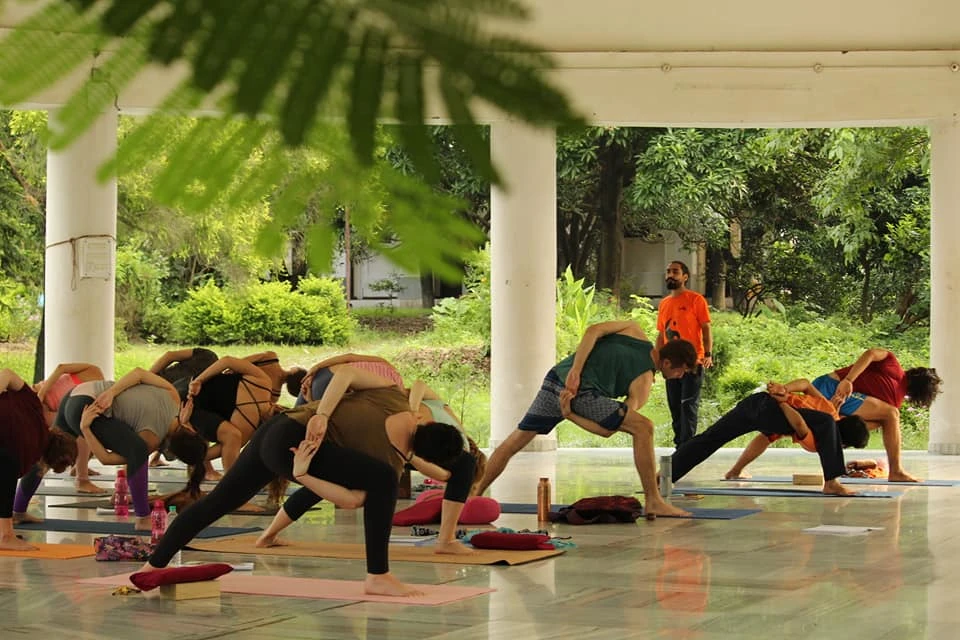
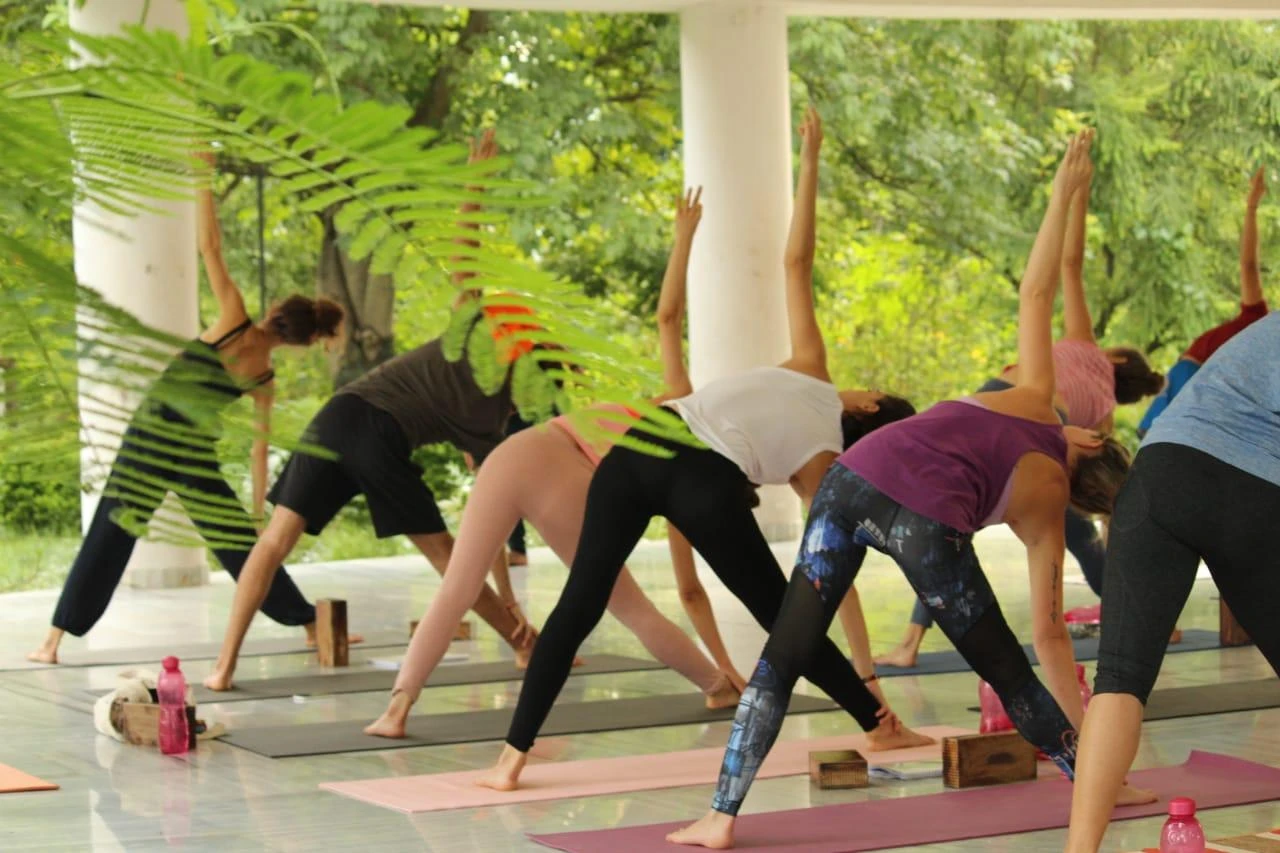
- Students will gain extensive knowledge on yoga postures and will increase their physical strength, inner strength and naturally their flexibility. Some asanas are connected to certain mind patterns and throughout the training this body/mind connection will get more clear in many ways.
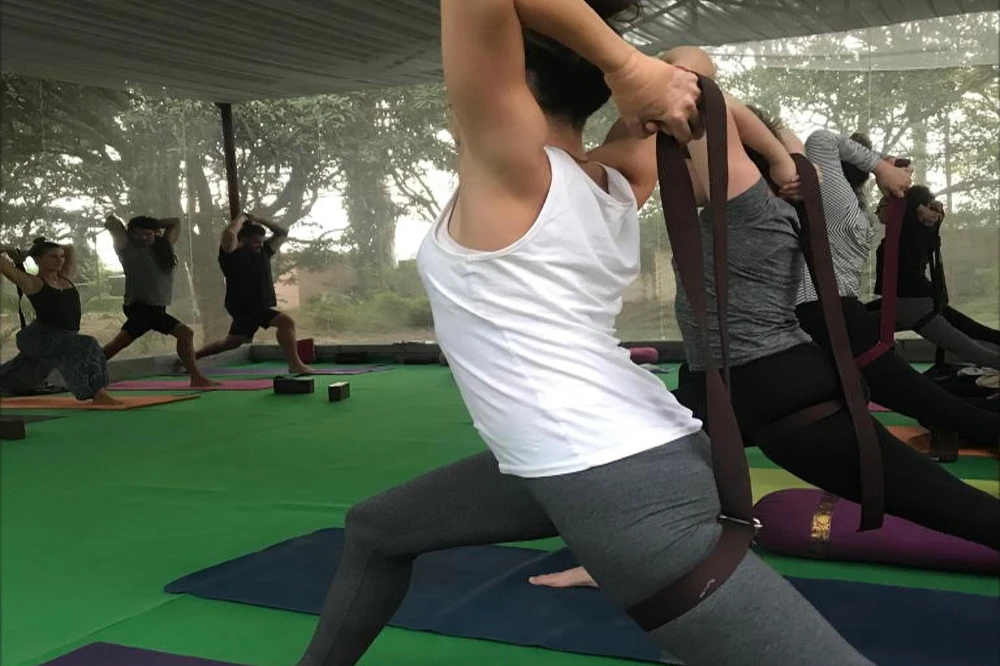
- There will be assistance with the asanas and space for alignment. The focus is on hatha yoga and there will be some ashtanga yoga classes as well.
- During the 100 hours course you will learn more than 50 traditional and dynamic Hatha yoga asana poses as well as a minimum of 20 Ashtanga poses.
PRANAYAMA (BREATHING PRACTICES)
- Pranayama is an ancient yogic breathing technique that is used as preparation for meditation and is a vital aspect of practising yoga. It improves the respiratory system and purifies the body and mind. Pranayama topics include an introduction, aspects of pranayama, different types of prana and types of yogic breathing.
- Nadi Shodhana (alternate nostril breathing)
- Ujjayi (the psychic or victorious breath)
- Shitkari (hissing breath)
- Sheetali (cooling breath)
- Kapalabhati (frontal brain cleansing breath)
- Bhramari (humming bee breath)
- Bhastrika (bellows breath)
- Suryabheda (vitality stimulating breath) including advance variations.
SHATKARMA (YOGIC CLEANSING)
- Yogic cleansing exercises are important to learn how to incorporate your breath and meditate properly during physical aspects of yoga. It also removes the blockages in the energy channels. This will include
- Jala Neti
- Sutra Neti
- Vamana Dhauti
- Kapalabhati
- Uddiyana Bhanda
RECITATION OF SACRED SOUND (MANTRA CHANTING)
- The purpose of mantra chanting in yoga is to generate vibrations and connect with the universe. Each mantra has it�s unique vibration.
- Pratah Smarana (morning prayer)
- Ratri Smarana (evening prayer)
- Anna purna stotra (meal time prayer)
- Swadhyaya Prarthana (study prayer)
- Some other prayer: maha-mrtyunjaya mantra and gayatri mantra
MUDRAS (GESTURES)
- The practice of mudra is an ancient facet of yoga. Performing gestures effects the energy flow of the body and can change a person's spiritual and mental characteristics.
- Jnana mudra
- Chin mudra
- Yoni mudra
- Bhairava mudra
- Shambhavi mudra
EMOTIONAL DETOXIFICATION KRIYAS
- Emotional detoxification kriyas a combination of removing knots in the body through pressing points, breathing techniques, release through sound and laughter and meditation. It is a three day program and very effective to release the effect of emotions and other toxins in the body.
- Body points
- Treatment Structure
- Theory & Lecture
- Bhairava mudra
- Treatment Practice
- Relationship between emotional accumulation in body and thought pattern
MEDITATION (DHYANA)
- Meditation is a systematic practice that promotes physical, mental, and emotional tranquillity. It increases the vital energy in the body and gives you more aliveness, good blood circulation and a relaxed nervous system.
- Breathing awareness meditation
- AUM (Om) or mantra meditation
- Trataka
- Tips for developing concentration
- Silence practice
TEACHING METHODOLOGY
- A yoga teacher should efficiently perform the practical applications of class planning and preparation. At Triguna Yoga, students will learn how to create a positive and peaceful class environment for an enjoyable and transformative experience. You will learn:
- How to plan and structure a yoga asana class
- Principles of demonstration
- Qualities of a teacher and teaching styles
- How to use the breath and voice while teaching
- Observing, assisting and correcting
- Verbal cues
- Functional modifications, injuries and safety precautions
- Guidelines for each asana (as per manual)
- Assisting inversions
TEACHING PRACTICE (ADHYAPANAM)
- Students will take turns practicing their teaching skills by performing in front of their peers and teachers. There will be demonstration, alignment, and instructions.You will learn:
- Symptoms of a good teacher
- Clear instruction
- Demonstration
- Proper alignment
- Individual care of each student
ANATOMY AND PHYSIOLOGY (SHARIR VIJNAN)
- Proper understanding of the physical body will help to prevent injury before, during, and after practice.
- Physical anatomy and physiology (bodily systems, organs, etc.) and energy anatomy and physiology (chakras, nadis, etc). Includes both the study of the subject and application of its principles to yoga practice (benefits, contraindications, healthy movement patterns).
- Practical anatomy with a major emphasis on muscular and skeletal structures and in-depth study of anatomical and skeletal differences (i.e. compression, tension, and proportion and orientation theory)
- Introduction to different body systems
- Proper alignment
- Skeletal system, muscular system, connective tissue, nervous system, major kriyas ts of the body
- Breathing and respiratory system
- Practical applications of anatomy into postures
- Therapeutic applications of postures and working with injuries in asana class
PHILOSOPHY (YOGA DARSHANA)
- Yoga philosophy is the foundation of our yoga practice and is the key to earn yogic strength. Through the path of yogic philosophy, you will establish a solid, well-rounded yoga practice.
- Meaning of yoga, concepts, history
- Four paths of yoga (Jnana, Raja, Bhakti, Karma Yoga)
- Ashtanga Yoga & Hatha Yoga
- Prana (bioplasmic energy)
- The chakra system, its qualities, activating and balancing techniques
- Energy or nadi system
- Meditation: introduction, practices, meditation and mind, removal of mental problems
- Guru and disciple relationship
- Kriya Yoga
- Five types of bodies (sheaths or koshas)
YOGA NIDRA (PSYCHIC SLEEP)
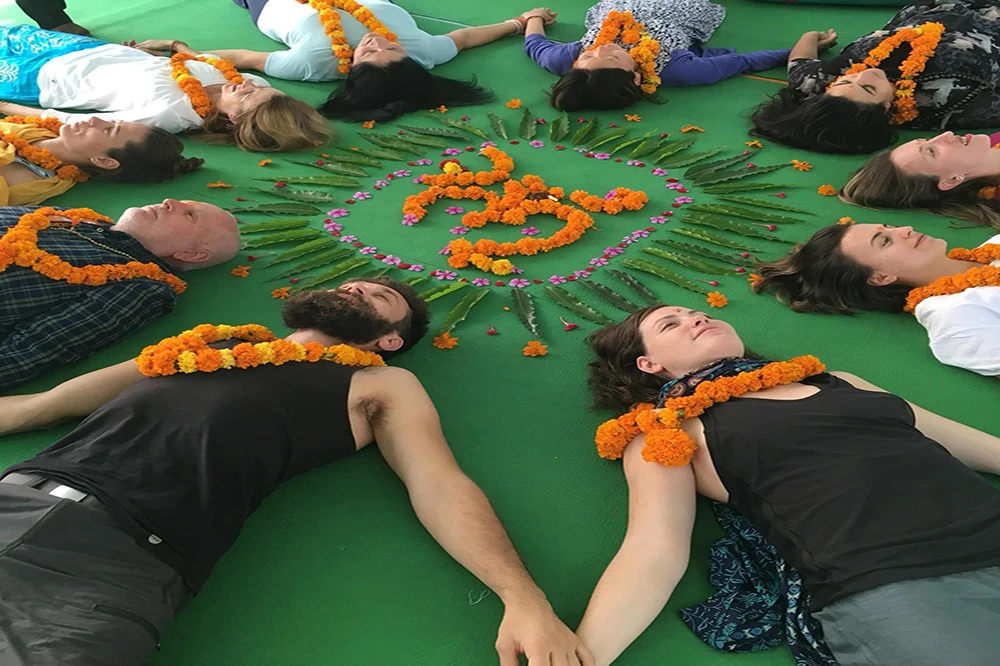
- When a yoga practitioner moves through the various internal states of Yoga Nidra, a profound experience of relaxation occurs. This is called "turiya," a sensation of pure bliss. This will cover basic relaxation, tension relaxation, and full body relaxation
NATUROPATHY
- You will learn about the 5 elements and how to use them to detoxify body and mind. Mud, water and air (breathing) therapy will be practiced and there are teachings about how to increase fire and ether element in life