
- $150 USD for international participants & 10,000 INR for Indian participant extra for Private Accommodation
- Any Personal Expenses
- Any Medical Expenses
- Any Transportation
- Extra Class
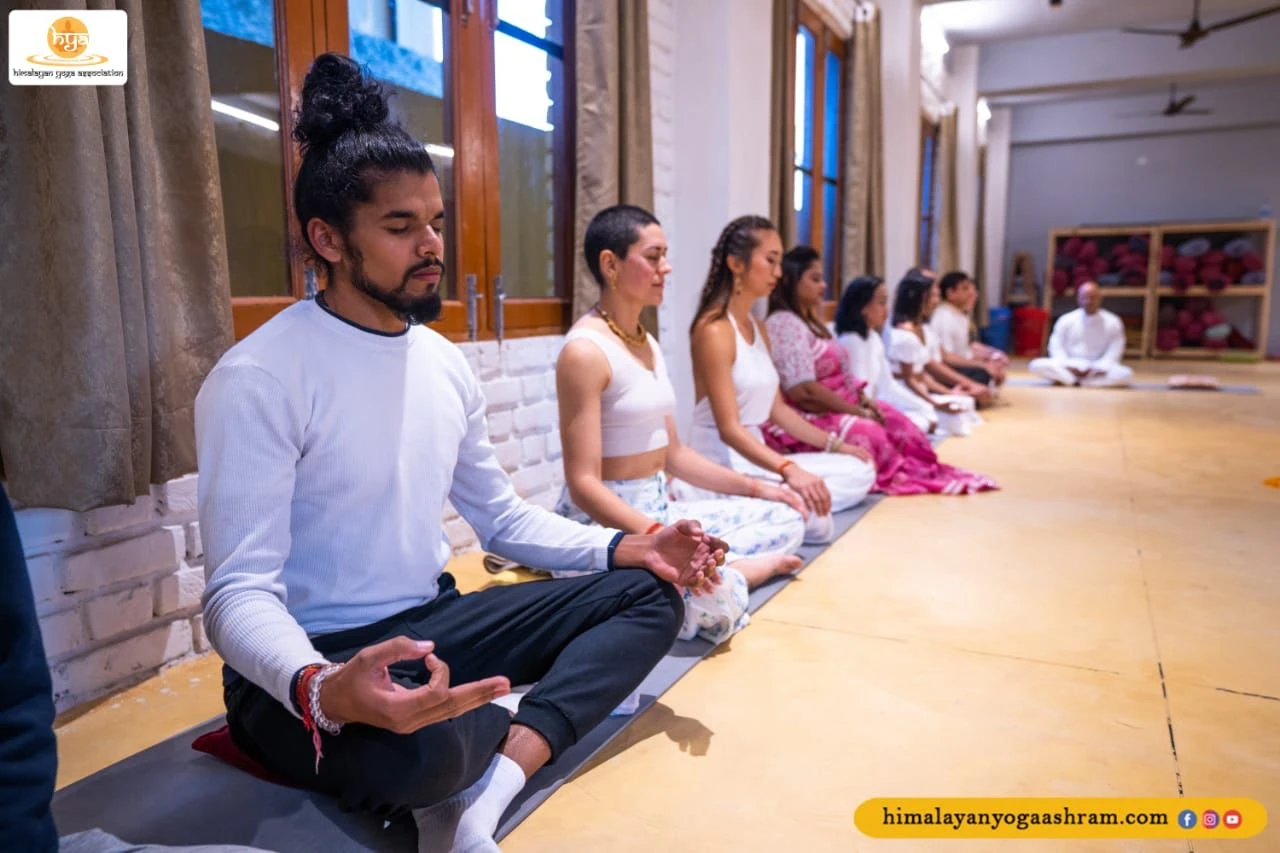
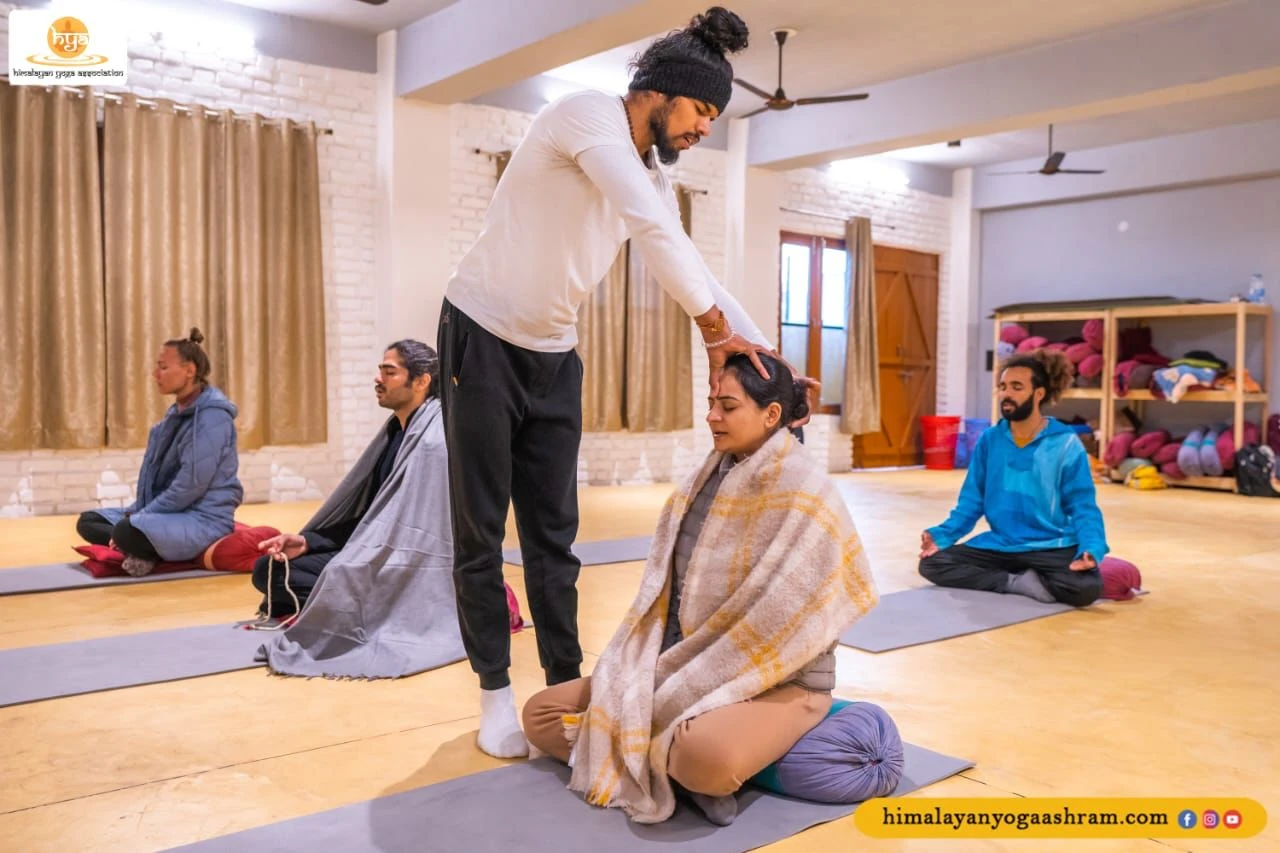
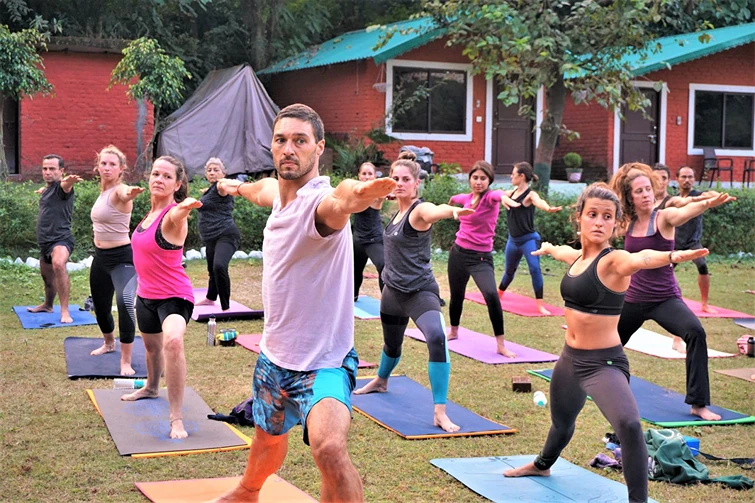
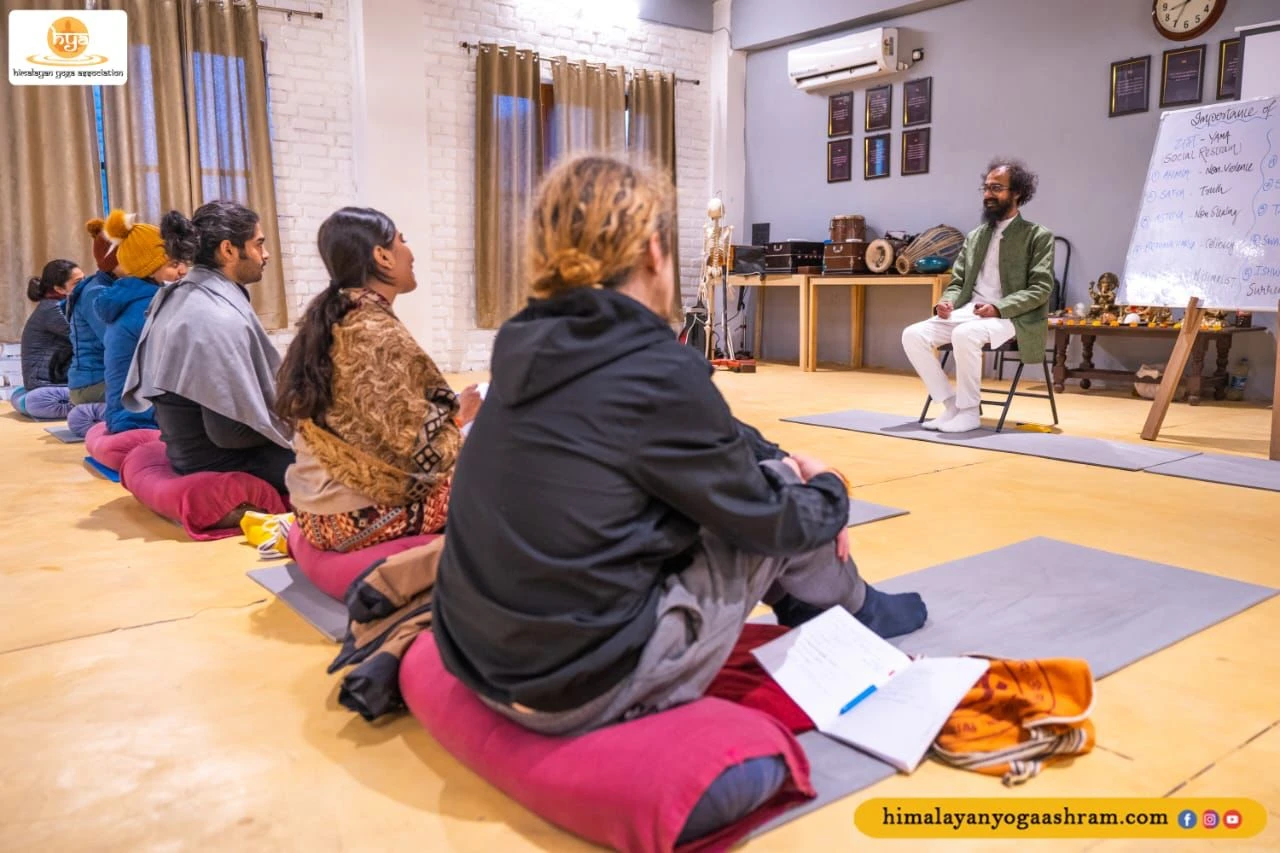
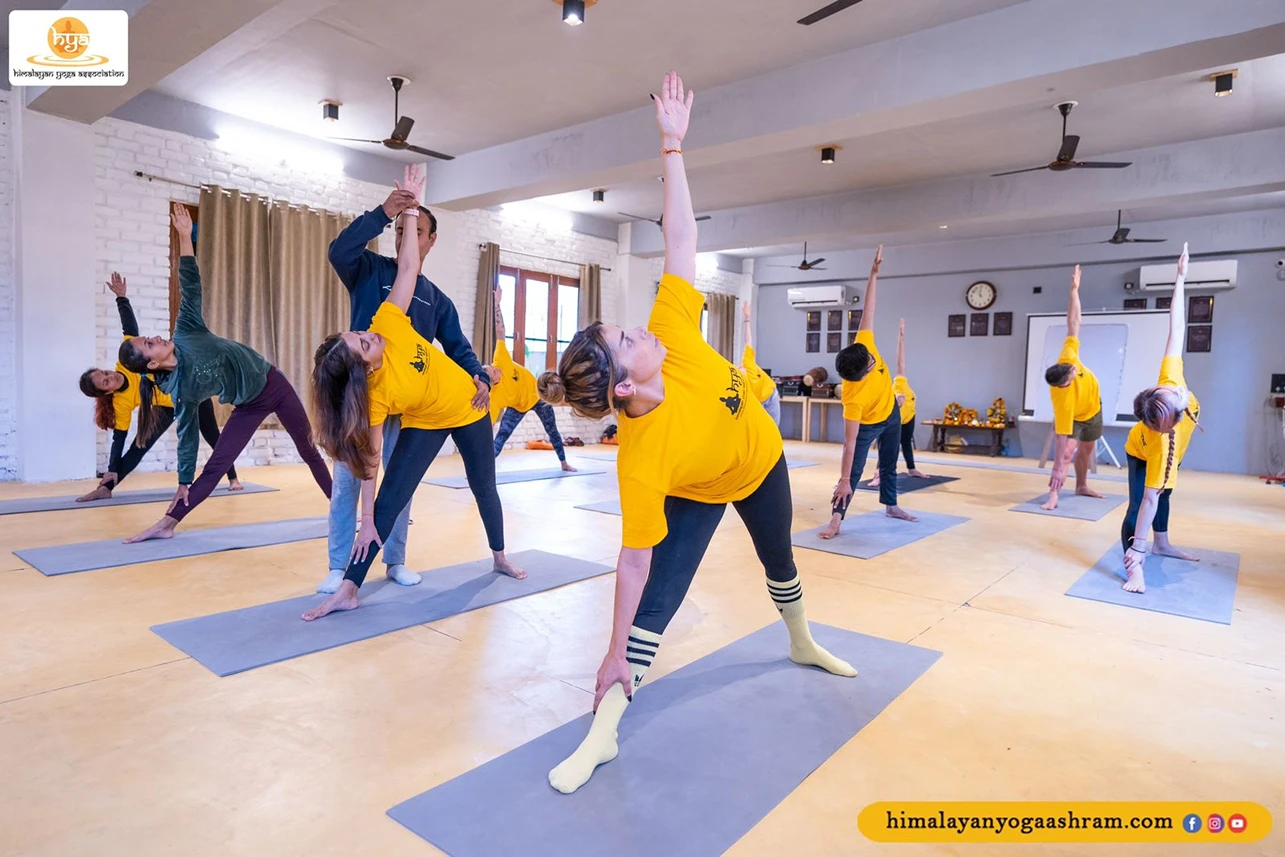
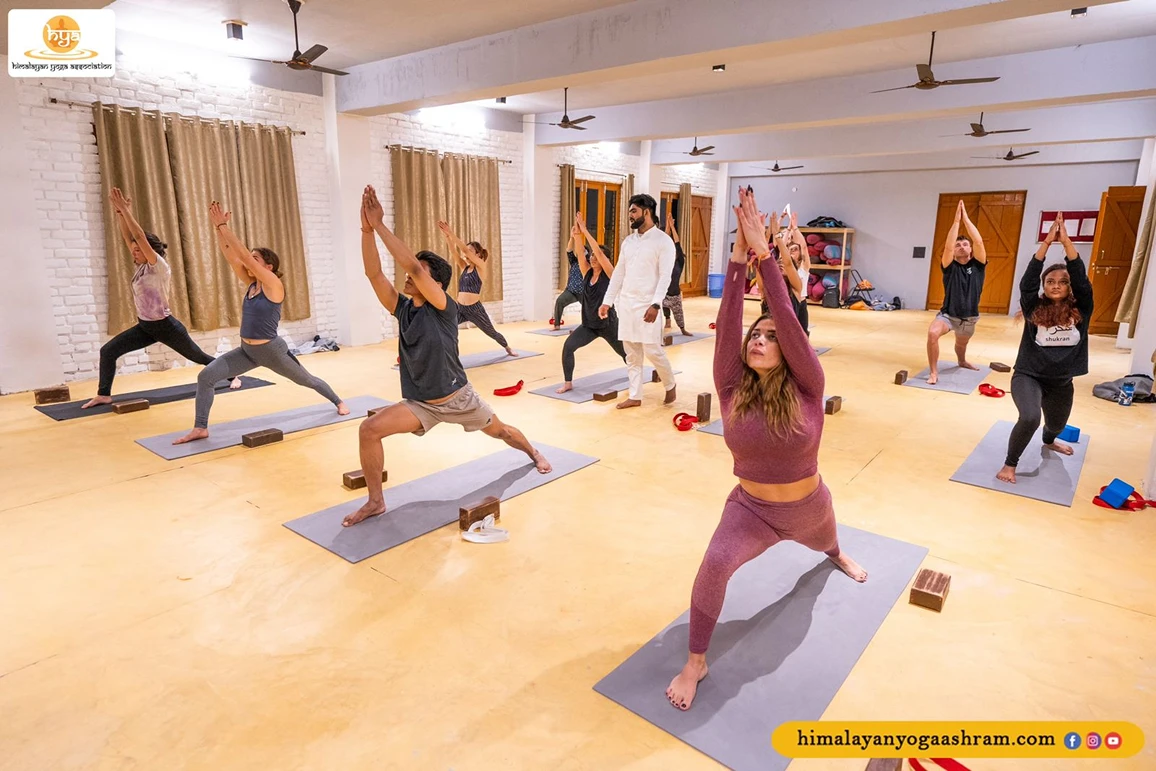
Hatha/ vinyasa flow/ Ashtanga based 100 hours yoga teacher training course in Rishikesh, it’s for all walks of life people, aim of our 100 Hour Yoga Teacher Training in Rishikesh India program to teach participants useful yoga practices so that they can learn to live a healthy/ balance lifestyle, this course is 1st part of 200 hours yoga teacher training course generally people who don’t have 4 weeks off to complete 200 hours Yoga teacher training course in one time they do this course so we give them an option to complete 200 hours yoga course in two parts, 1st semester and 2nd semester, participants after completing 1st Semester 100 hours course can join us any time to complete 2nd Semester 100 hours course in order to complete their 200 hours certification
100 Hour Yoga Teacher Training In Rishikesh- Introduction Human anatomy is the scientific study of the body’s structures. Some of these structures are very small and can only be observed and analyzed with the assistance of a microscope. Other larger structures can readily be seen, manipulated, measured, and weighed. The word “anatomy” comes from a Greek root that means “to cut apart.” In order to observe structures in living people, a number of imaging techniques have been developed. These techniques allow clinicians to visualize structures inside the living body such as a cancerous tumour or a fractured bone.
Like most scientific disciplines, anatomy has areas of specialization. Gross anatomy is the study of the larger structures of the Human body, those visible without the aid of magnification. Macro- means “large,” thus, gross anatomy is also referred to as macroscopic anatomy. In contrast, micro means “small,” and microscopic anatomy is the study of structures that can be observed only with the use of a microscope or other magnification devices.
100 Hour Yoga Teacher Training School in Rishikesh - Course Syllabus
Ashtanga Yoga Postures
Sun salutation A
Sun salutation B
Standing sequence postures / use of yoga props
On 1st week- introduction to Ashtanga yoga followed by Sun salutation A & B.
On 2nd week – Standing sequence postures & use of yoga props.
Hatha Yoga/ Vinyasa Flow (Asanas)
Sun Salutations
Standing & Balancing Postures
Seated Postures
Prone Postures
Supine Yoga Postures
Back-bend postures
Meditation Practices
Introduction to meditation (What is Meditation)
Body Awareness Meditation
Mind Awareness Meditation
Breathing Awareness Meditation
Om Meditation
Mantra Meditation Practices
Trataka meditation
Dynamic meditation
Art of self silence Practice
Yog nidra
Yoga Philosophy (Yoga Darshana)
What is Yoga & It’s history ?
Lifestyle of a yoga practitioner.
What are Yoga sutras/ 8 limbs Of Yoga ?
Introduction of srimad bhagavad gita.
Understanding all 4 paths of yoga-
Karma Yoga
Bhakti Yoga
Gyan Yoga
Dhayan Yoga
What is hatha yoga ?
What are trigunas ?
What is ego ?
Freedom from unhappinees.
Realizing pure consciusness.
Stories of the enlighten yogis.
Pranayama (Breathing Practices)
Introduction of Pranayama
Benefits of pranayama
General guidelines
Clavicular Breathing
Thoracic and Diaphragmatic Breathing
Yogic Breathing
Ujjayi Pranayama
Bhastrika Pranayama
Kapalbhati Pranayama
Nadi – Sodhana Pranayama
Bhramari Pranayama
Surya Bhedi & Chandra Bhedi pranayama
Sheetali & Sheetkari pranayama
Yoga Anatomy & Physiology 1st week
Meaning & Importance / Introduction of anatomy & physiology
Directional terms of anatomy
Introduction of skeleton structure & functions
Bone anatomy & human skeleton system
Important names of human skeleton system
Angular movements of human body
Assignment paper submission/ activities/ exercises
Anatomy 2nd Week
Introduction of joints
Function of all types of joints
Anatomy of synovial joints (Knee)
Types of synovial joints & their functions
Types of cartilage & connective tissues
Pectoral girdle introduction & functions
Pelvic girdle introduction & function
Ankle & wrist joints
Assignment/ Activities/ Exercises.
Mudras (Yoga Gestures)
Jnana mudra
Chin mudra
Yoga Bandhas (Energy Lock)
Uddiyana
Jalandhar
Yoga Cleansing (Shatkarma)
Rubber-neti
Jalaneti
Sitting postures for pranayama sadhana
Easy pose
Half-lotus
Each time you work on a yoga pose or practice pranayama, you intensify your capacity to exercise control over your focus, breath and body. Likewise, as you delve deeper into the yogic philosophy, you will find yourself eating, sleeping and thinking like a yogi! And when it comes to eating, diet certainly plays a significant role.
It is a known fact, that food is an important element and life-giving energy to the human body. The quality and type of food impact our physical and mental well-being.
When nutrition is talked of from a yogic perspective, it includes much more than just the nutritional content of the food. As a full-fledged yogic practice demands the proper supplementation of the body with nutrients, the energetic aspect of nutrition is also to be taken into consideration while determining your choice of diet.
Many yogis are faced with this question. As heard from many, practitioners feel that after long hours of practice, there comes a point when they do not really feel right or ready to consume non-vegetarian food anymore!
Have you ever observed the impact that your food intake has been having upon your practice of yoga? It has been evident that some foods might wreck internal turmoil in the form of bloating or other such digestion disorders. On the other hand, there are some foods that are said to be more subtle and suitable to the body and mind.
The concept of Ayurveda, the sister science of yoga, enlightens us on the impact of different foods on our overall physical, spiritual and mental well-being. As per Ayurveda, “Sattva” denotes purity in quality of the self-control and spiritual well-being as apparent in the form of intelligence, virtue, awareness and happiness. Thus foods that are sattvic, promote purity in terms of both mind and body. They help nurture the mind – one that is clear, filled with compassion and keeps calm.
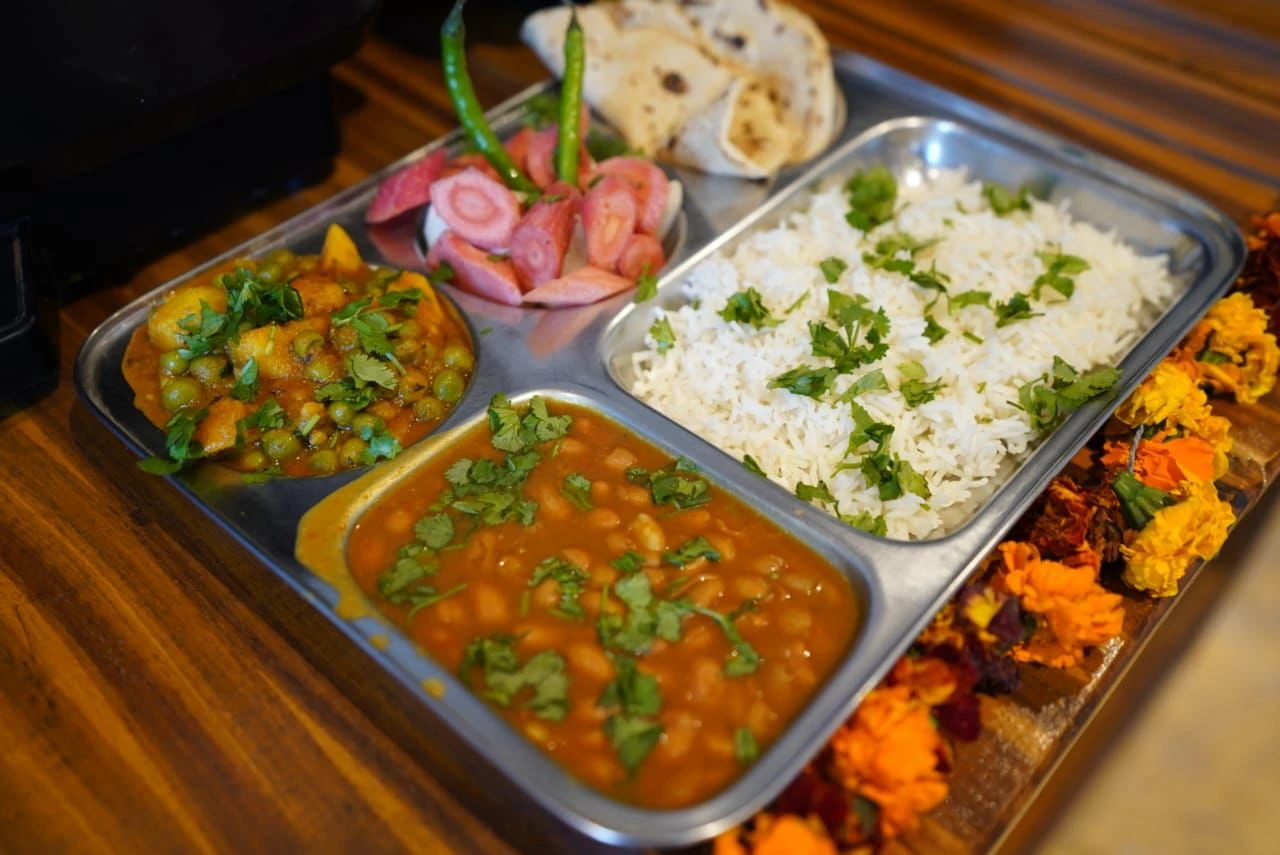
The good news for yogis is that Sattvic foods are absolutely vegetarian! Thus no animals are harmed in the making of such foods as they do not contain any animal products. These foods should be naturally cultivated and should not include any harmful preservatives, additive substances or artificial flavors.
A sattvic diet generally includes:
A sattvic diet aids in sharpening your intellect. According to the Bhagavad-Gita, the sattvic diet is said to be light and easy–to–digest. Being enriched with prana or purity, it fosters positive thoughts and satisfaction of the mind. Following such a diet can keep you alert, refreshed and peaceful.
Refund Policy – 100 Hour Yoga Teacher Training In Rishikesh – The course fees & Booking amount will not be refundable, only in the case of emergency students can join us on other schedules. If student cancel the course after joining it, we accept cancellation but course fees will not be refund in cancellation.
by Yogi Himanshu
We Have the Best Teachers in Rishikesh
What makes teachers the best teachers? Our carefully selected yoga teachers are not only highly qualified and experienced in their fields of teaching at our campus, but also having authentic and loving way of being, and they are real yoga practitioners for a lifetime. You will experience what it means by real yogis, and how authentic people are living so peacefully just by being with our teachers.
Our Ashram Location
“Rishikesh – World’s Yoga Capital” Himalayan Yoga Association is surrounded by picturesque landscape having almighty mountains, by the mother Ganga with a clear and bright air. The stay and experience with us in such environment will beautifully help you to explore the deepest level of consciousness and rejuvenate your entire being.
Join the Family
Our Yoga Alliance accredited Yoga Teacher Training Courses are suitable for everyone whether you are beginner or experienced, whether you want to learn yoga for a personal development or to develop knowledge and skills as a profession. Come and join Himalayan Yoga Association to learn how to transform your life, and millions of others'.
 Air Conditioner
 Swimming Pool
 Wi-Fi
Wi-Fi
 Yoga Shala
In order to book for the course participant is required to deposit booking amount, the booking amount is 5000 Rupees for Indian Participants & 250 USD for International Participants, you can either deposit it via Google pay | Razor pay or Net banking. An official booking confirmation letter will be sent to you shortly after successful advance deposit for the course fees, the balance of the course fees can be paid on arrival at school either by credit card, debit card or cash. Bank account details are given below, if you face any issue feel free to write us, we are always available to assist you.